

A Comprehensive Guide to Production Operations: From Safety to Efficiency
A Comprehensive Guide to Production Operations is essential for anyone working in industries like chemicals, petrochemicals, or offshore oil and gas. Every industry relies on structured processes to ensure efficiency, safety, and profitability…
This article is a comprehensive guide to production operations, designed to give both beginners and professionals a clear understanding of how production systems work and why they matter. Along the way, we will also highlight A Guide to Production Operations by Chris Randall, a book that distills 50 years of real-world experience into practical knowledge.
What Are Production Operations?
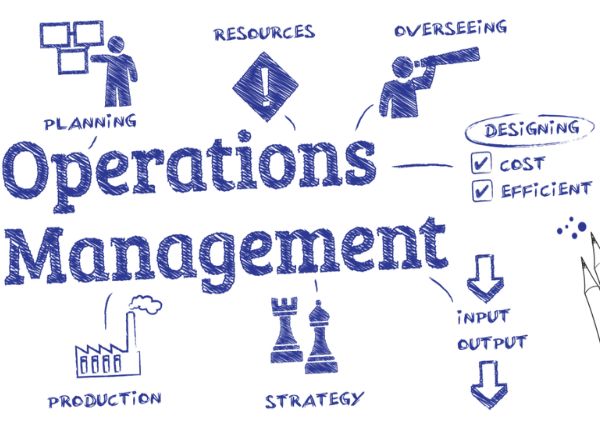
Production operations refer to the planning, management, and execution of industrial processes that transform raw inputs into finished goods. These operations are not limited to one industry—they apply across:
- Onshore plants (chemicals, petrochemicals, manufacturing).
- Offshore oil & gas platforms (extraction, processing, distribution).
In simple terms, production operations ensure that goods are created safely, efficiently, and at a quality standard that meets both customer and regulatory requirements.


Safety: Safety in Production Operations: A Comprehensive Guide
Before any machine is switched on, safety comes first. Production sites deal with flammable materials, heavy machinery, and complex systems. Without proper safety standards, accidents can halt production—or worse, cost lives.
A comprehensive guide always starts with:
- Standard Operating Procedures (SOPs).
- Hazard awareness and emergency response.
- Protective equipment and safety drills.
In Chris Randall’s book, safety is not just a chapter—it’s a recurring theme, reminding operators that efficiency only matters when safety is guaranteed.
Core Stages in A Comprehensive Guide to Production Operations
-
Planning and Scheduling
This stage determines what to produce, when to produce it, and in what quantities. Forecasting demand, creating schedules, and managing supply chains fall under this step.
-
Resource Management
Efficient operations require well-managed resources:
- Labor and workforce skills.
- Raw materials and inventory.
- Machinery maintenance and upgrades.
-
Process Optimization
A modern production system constantly seeks improvement:
- Reducing waste.
- Implementing lean manufacturing principles.
- Adopting digital tools for monitoring and control.
-
Quality Control
Every product must meet safety and quality standards. Inspections, testing, and compliance ensure goods are market-ready.
-
Distribution and Delivery
The final stage ensures products reach customers on time through logistics, warehousing, and shipping

Types of Production Methods
- Job Production – Customized, small-scale work (e.g., prototypes).
- Batch Production – Producing in groups or sets.
- Mass Production – Large-scale, standardized goods.
- Continuous Production – Ongoing industrial processes (common in petrochemicals and oil refineries).
Randall’s book explains each method in depth, with diagrams and pros/cons, making it an invaluable comprehensive guide to production operations.
Challenges in Production Operations
Even the best systems face obstacles:
- Equipment breakdowns.
- Supply chain delays.
- Human error and training gaps.
The solution lies in continuous training, strong leadership, and adopting modern technology.


The Role of Technology in Modern Production
From AI-driven monitoring systems to IoT sensors, technology is revolutionizing production operations. Companies can now:
- Detect machine faults in real time.
- Predict maintenance needs.
- Automate repetitive tasks.
This shift not only saves costs but also improves worker safety and product quality.
A Guide to Production Operations by Chris Randall
For those who want real-world insights beyond theory, Chris Randall’s A Guide to Production Operations is a must-read.
- Based on 50 years of experience in onshore and offshore production.
- Covers safety, equipment, optimization, and management in detail.
- Written for both beginners and experienced operators.
- Includes diagrams, case studies, and practical advice.
Randall’s career took him from process operator apprentice in 1969 to offshore installation manager with decades of international experience. His book captures this lifetime of expertise in one resource making it the definitive comprehensive guide.


Conclusion: Why Every Business Needs a Comprehensive Guide
Production operations are the invisible engines of global industries. Without them, efficiency, safety, and quality would collapse.
Whether you’re a student, a new process operator, or a seasoned professional, having a comprehensive guide to production operations ensures you stay prepared for the challenges and opportunities of industrial work.
To explore production operations in detail, check out a trusted resource built on five decades of industry expertise.